
OPINION: We, the students, can make great change, we just need to be civically engaged
By Lucia Alvarez ‘26
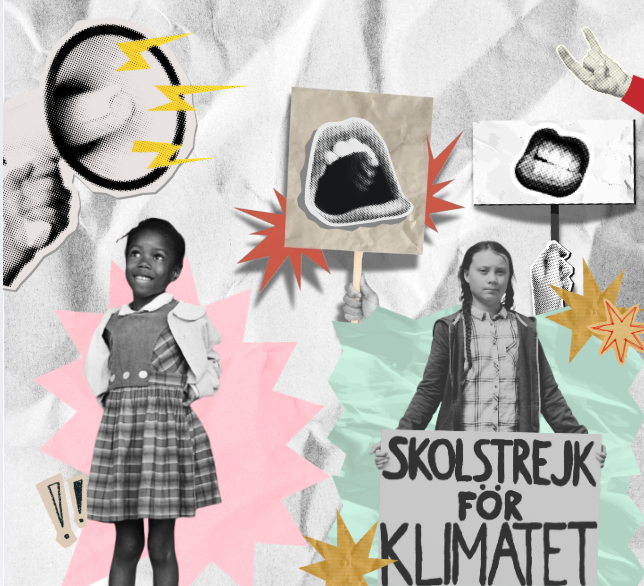
Courtesy of Scarlett Keys ’26.
“This sucks, and I don't believe in it, but there's nothing I can do,” was a sentiment that seemed to echo through the Catlin Gabel School (CGS) Upper School (US) on January 30th. Across the nation that day, people were taking action. A widespread strike was taking hold of the nation to protest the deaths of the eight people ICE agents murdered.
While CGS students were vocal in casual conversation or classrooms about their dissent, few attended the protests.
As I sat in my video production class and watched some of my classmates walk to their cars, I held a dense weight on my chest. I had earlier in the year decided to look at the news less to support my mental health, but now being faced with the reality that I had completely missed this protest, I felt uninformed. I am not alone in my avoidance of the news either.
The Pew Research Center says that only 15% of people aged 18-29 follow the news consistently, and that many have social media as their main source of news. However, through research conducted by the Ohio State University, it was found that social media can distort people’s sense of reality. This includes making people confident in incorrect facts, building biases, and sweeping generalizations.
This reality is especially troubling with the recent shift in political power, which is being hailed as America’s descent into fascism by journalists and historians alike. It has become easier and easier to insulate oneself from the outside world by avoiding news apps and sticking to social media. In addition, even more young people have less confidence in our election system.
57% of college students reported that they believe their vote makes little to no difference, and only 14 percent believed their vote mattered after the 2024 election. As young people, we are fed the narrative that we cannot take action and that the small actions we take don't matter, but this isn't true. Throughout the history of the United States, young people have made changes that have moved nations.
According to the Institute on Disabilities, in 1962, a high school student named Ed Robertswas rejected from UC Berkeley on the grounds of being disabled. In response, Roberts co-founded the Center for Independent Living with Judy Huemann. The two would go on to successfully fight for disabled people's rights across the United States and help move the needle towards equality.
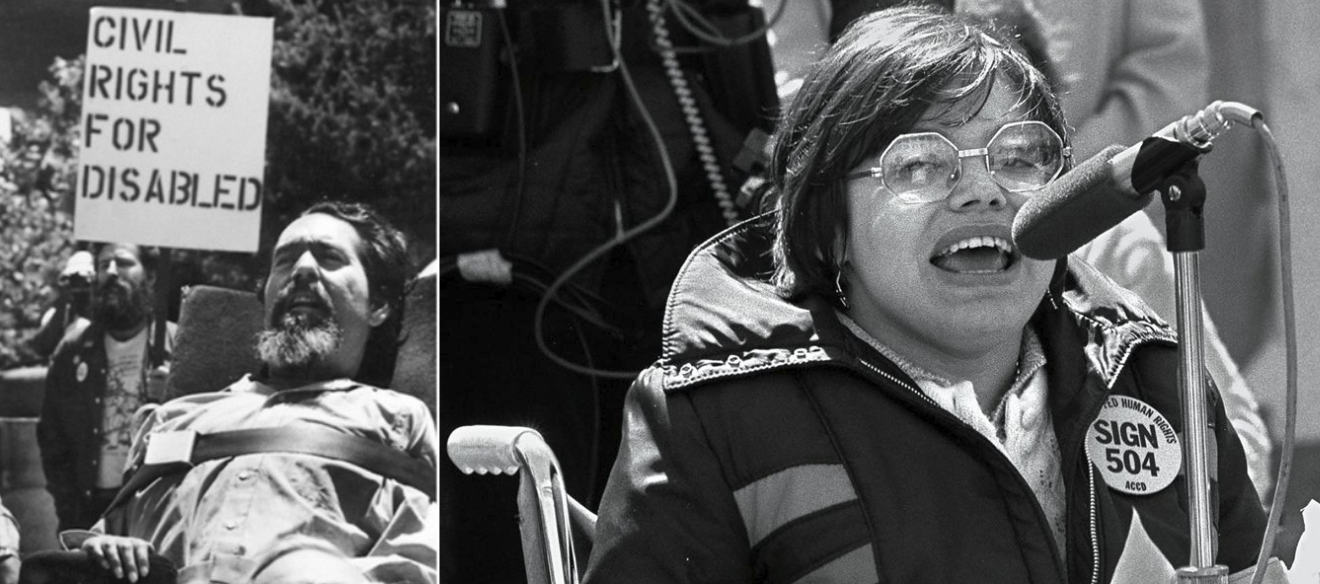
Ed Roberts protesting and Judy Huemann speaking at a rally. Courtesy of the Bamsi and UC Berkeley Public Health.
On February 1, 1960, Jibreel Khazan, Franklin McCain, Joseph McNeil, and David Richmond sat in on a dining counter in North Carolina, to protest segregation. The four of them, who were later dubbed “the Greensboro Four,” were all students of North Carolina Agricultural and Technical College, and they were all either 17 and 18. They'd helped to fight for civil rights in the United States.
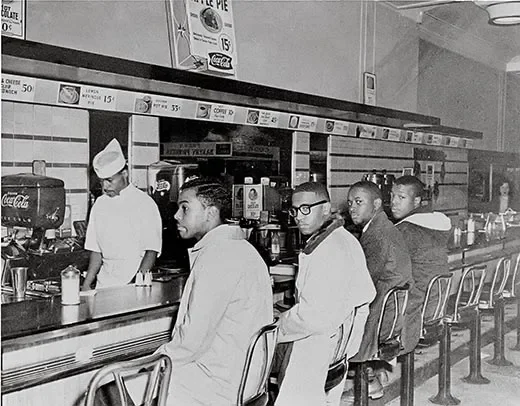
The Greensboro Four during their sit-in. Courtesy of the Smithsonian Magazine.
According to Context, Greta Thunberg was 15 years old when she first stopped going to school in protest for climate change reform. At 16 years old, Thunberg was nominated for a Nobel Peace Prize, organized protests, and fought for a better future. Thunberg organized multiple global protests, led by young people to fight for climate justice.
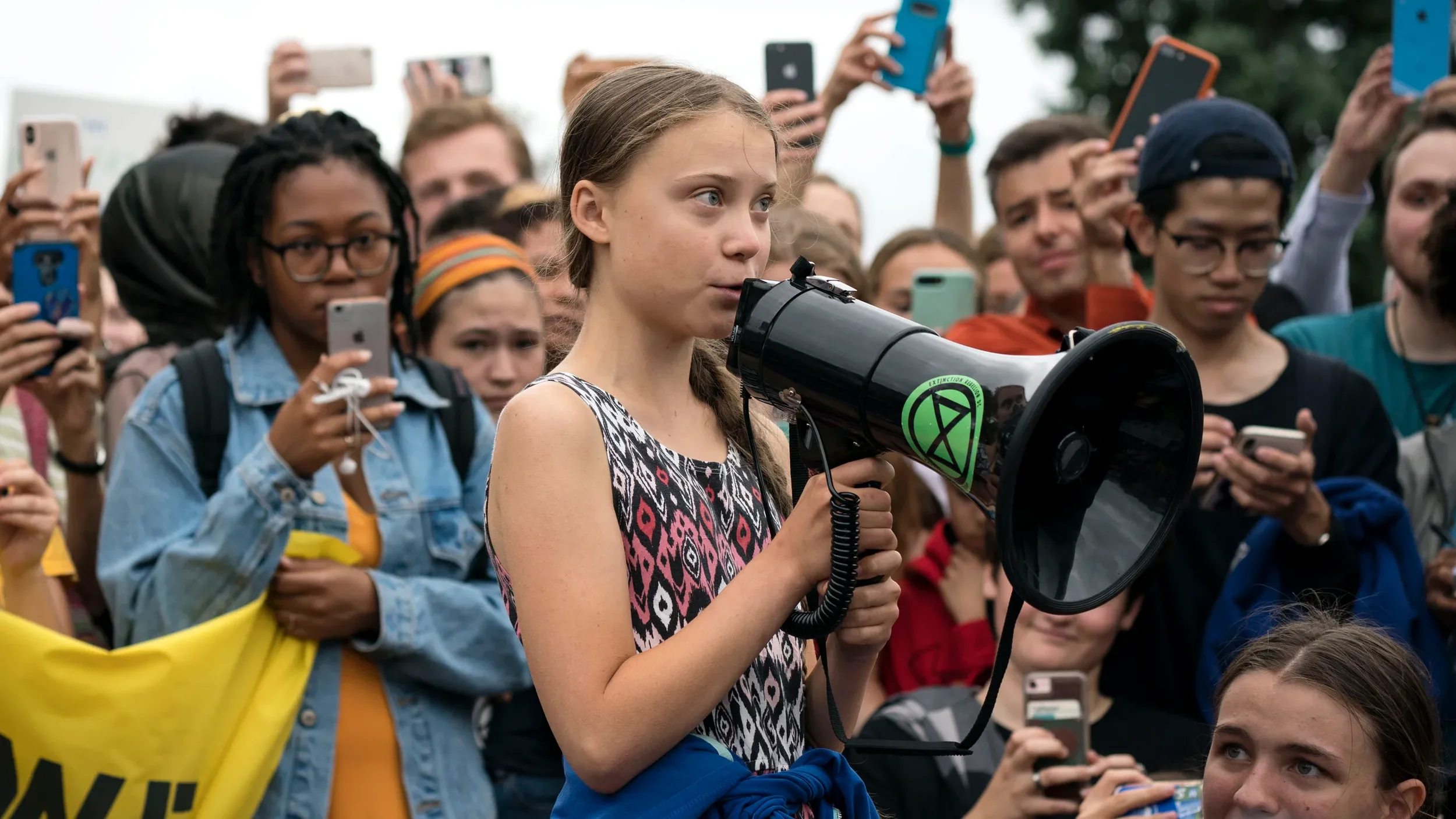
Greta Thunberg speaking at a rally. Courtesy of Vox.
These are just a handful of examples of young people who have altered American history through their actions. While these people shine as powerful examples of young people using their voice, it is also important to acknowledge that taking action does not have to be global, and it does not need to be explicit.
Amanda Williams, a US social studies teacher, shared “joy” as a form of resistance, citing Bad Bunny’s Super Bowl halftime show and “the way he used celebration and storytelling to resist hate.” In addition, local action is a great way to make your voice heard.
For my Biodiversity and Conservation class, I went to Salem, Oregon, to rally at the capitol in favor of the 1.25% for wildlife bill. The party of lobbyists attending was not only made up of members of the
Biodiversity and Conservation class; Ari Wilda, a CGS senior, also skipped classes to attend the rally and lobby representatives.
“There's kind of a sense of responsibility as well … this is something I can do right now that will have some tangible effect that I think is meaningful,” Wilda said. At the rally, I personally felt a strong sense of connection with a larger community of people fighting for a better world. There are many local organizations, such as the Bird Alliance of Oregon or Portland Democratic Socialists of America, that organize lobbying days at the Oregon capitol, and help people get involved in Oregon’s lawmaking.
In addition, simply attending a protest, if you’re able, shows the world that you care. Rachel Meltzer ’28 spoke about her experience attending a January 20th protest. “I think it was just important to show that, like, we do have power and we can do something,” Meltzer remarked. She reflected that “being in high school and not being 18 and not being able to vote, it feels like … I'm kind of stuck.”
But Meltzer also said that attending the protest was a powerful way to lessen that feeling of being stuck. “I think it was really impactful…there are other people who agree, and there are other people that also feel like [protesting] is pertinent.” This is another way to get involved: simply by making your voice heard.
There are millions of Americans who are taking action, and communities that will welcome your involvement with open arms. Just attending a protest, sit-in, or rally can make you feel connected to something, and it is connection and unity that are the strongest ways to stand up to hate.
In the words of US social studies teacher Peter Shulman, “Apathy is fuel for authoritarianism,” and burying your head in the sand will not help anyone, except those trying to suppress people's freedoms. It is therefore essential that you find your personal balance between being civically engaged and supporting your mental health.
Your voice as a student matters, and it is essential to remember the students who have come before us and paved the way to a better and more empathetic future. The work is not finished; we, as young people, must learn to find our own ways to make our communities better and to make our voices heard. Please remember that you are not alone and that you are not helpless, because it is apathy that fuels authoritarianism, but unity that defeats it.