
OPINION: The door is always open — why Catlin Gabel’s counselors are a vital student resource
By Hridhaan Garg ‘29
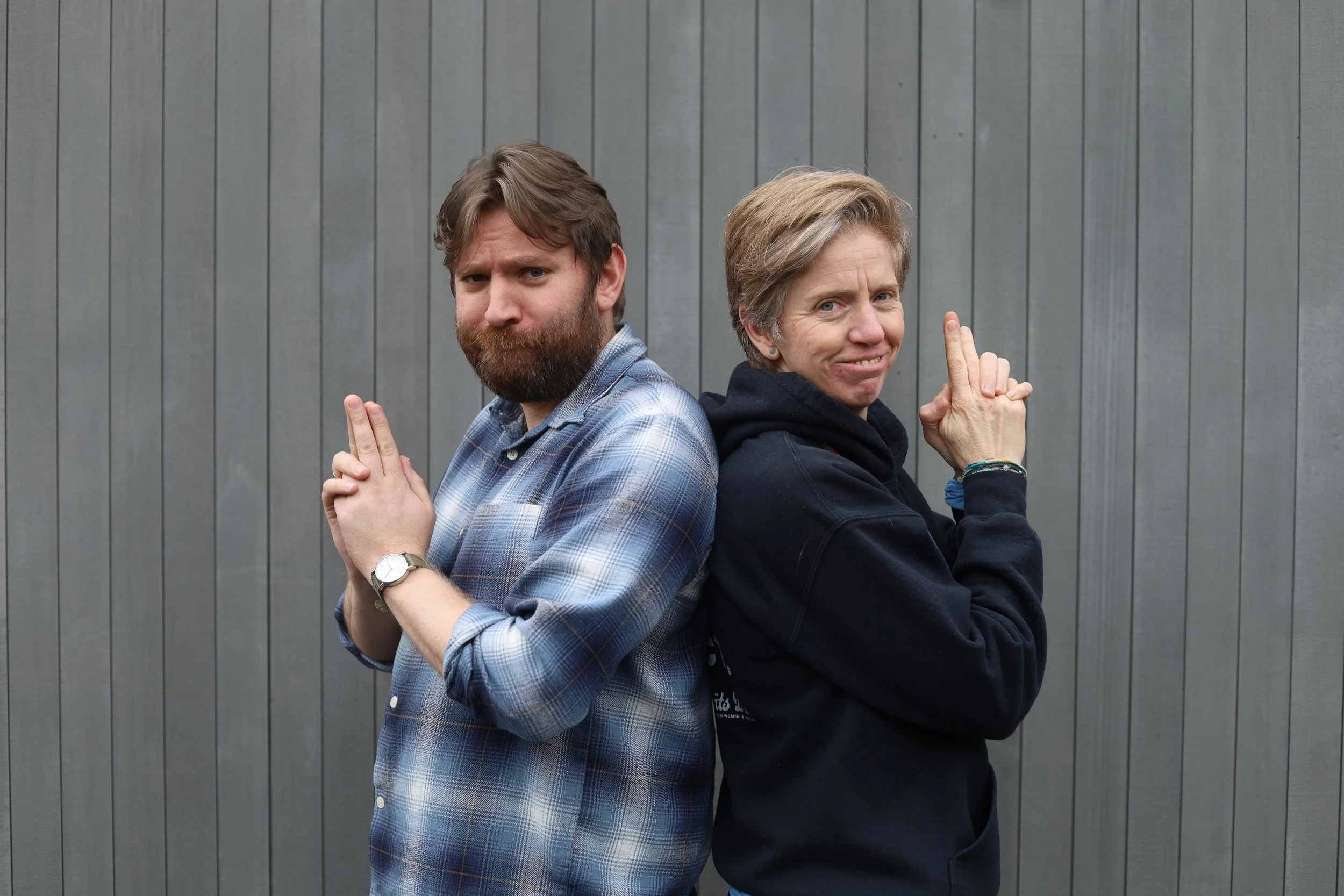
Upper School counselors Charlie Grant (left) and Erin Gilmore (right). Courtesy of Hridhaan Garg ‘29.
At school, it’s not unusual for students to feel stress from classwork or relationships. Having somebody who is there and unbiased can offer helpful guidance and support to all. Charlie Grant and Erin Gilmore serve as our counselors in exactly that way here at Catlin Gabel School (CGS).
Without somebody to talk to, school environments can feel much more difficult, even for small issues. For students, Grant claims that, “they think that they need to be going through something big, or that they are a sort of burden if they have to come see us… There's no illegitimate reason to come and say hi.”
Moreover, according to Coe College, seeing a counselor regularly can also help people learn more about themselves. Grant described his job as helping people hear themselves, which can be powerful when students are feeling overwhelmed or unsure of what they are thinking or feeling.
Also, School counselors support students by building self-esteem, improving mental well-being, and helping them handle challenges. They provide guidance and a safe space for students to grow and navigate difficult situations.
Gilmore said, “I think my approach is less about wanting to hear their problems and more about wanting to get to know them. I'm looking to build a relationship, they get to share, and let them know you share what you're comfortable with sharing.”
Support for students’ mental health, organization, and motivation from school counselors can lead to stronger academic performance. According to licensed counselor Kristy Pruitt, effective school counseling programs are linked to improved academic performance and student engagement. When students feel supported, they are more able to focus, attend class, and keep up with their work.
It can be hard to go up to a stranger and just start talking: that fear alone can stop people from ever going to counseling, but it doesn’t have to be serious or uncomfortable. There is no wrong way to start a conversation with Gilmore or Grant. You could ask them how their day is going or even play two truths and a lie together.
Talking to a counselor doesn’t mean something is wrong with you. It means you’re taking care of yourself. Whether you’re stressed, curious, lonely, or just want someone to listen, there are countless benefits to stopping by the counseling office.
Grant and Gilmore are here for everyone, not just when things get hard. So next time you’re unsure, consider walking in and starting with “Hi.” You might be surprised by how helpful that simple step can be.
If you’d like to set up a meeting, you can schedule time with Grant here and with Gilmore here. Taking a minute to book a meeting could be the first small step toward feeling more supported and connected at school.