
OPINION: Quick fix or hidden risk? Why students should stop drinking energy drinks
By Luna Flores ‘26
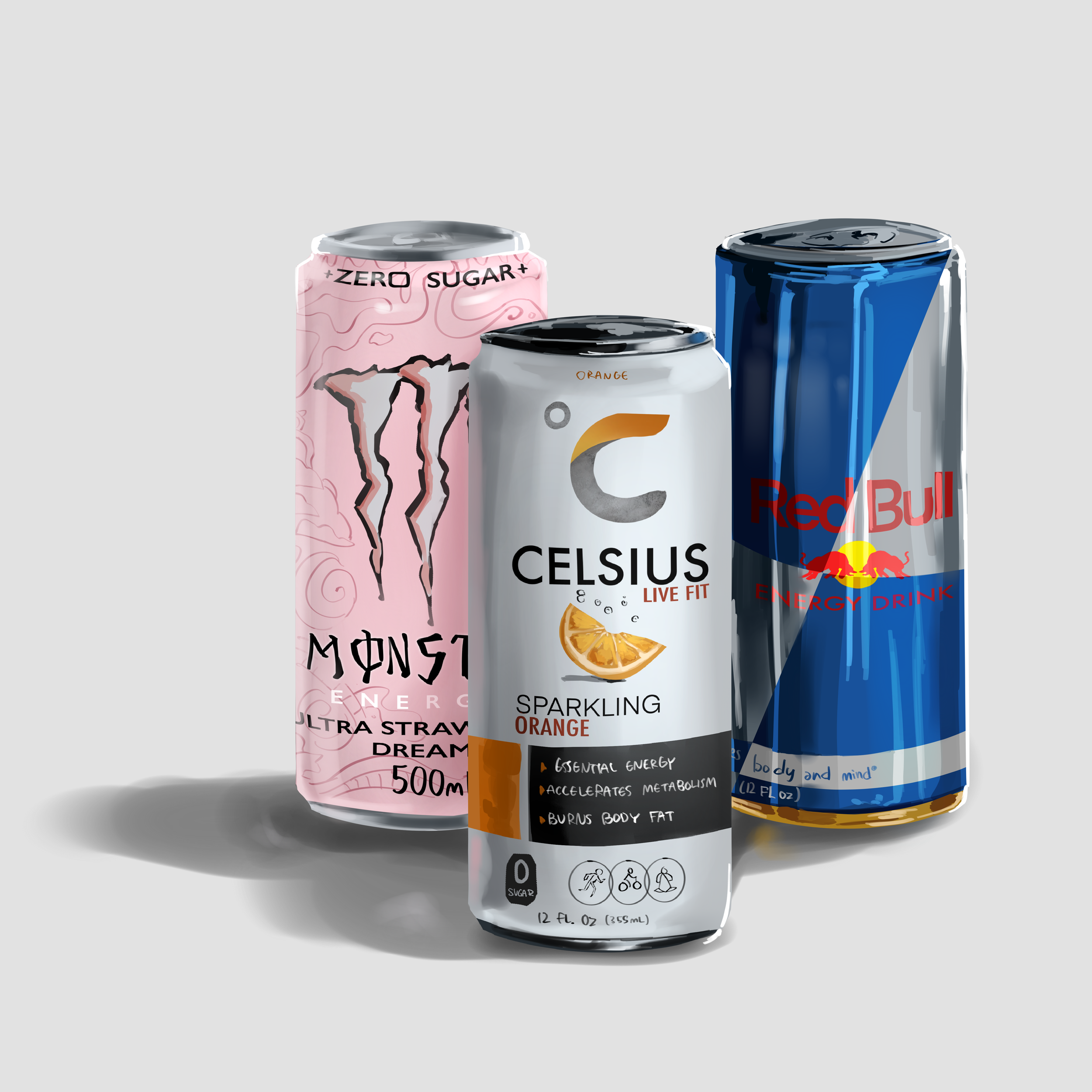
Courtesy of Ila Reynolds-Kienbaum.
As I walk into the library, I am met with a familiar sight: open cans full of “energy-fueled” liquid are an addition on many desks, set next to notebooks and laptops as people type or chat away.
Despite the Catlin Gabel School (CGS) administration banning energy drinks in the Barn due to health concerns for students, this canned poison is commonly seen among the Upper School student body. With places like the Little Store and QFC close by, along with students bringing energy drinks from home, their everyday presence is still very prevalent.
Upper School students are notoriously known for taking on plenty of extracurriculars as well as being assigned copious amounts of homework night after night. Additionally, upperclassmen experience the pressures of college preparation and the application season alongside these activities (an experience that hits particularly close to home). Thus, energy drinks seem like a logical route to maximize productivity.
But I’ve never shared this opinion. Since beginning high school, I've always been mildly concerned with the energy drink intake of my friends and peers. I’ll admit, I’ve never particularly liked the taste or feeling of energy drinks, a factor that certainly biases my point of view.
Nonetheless, the obvious and hidden dangers of energy drinks have become clearer to me through newfound knowledge and my own everyday observations.
To start, a particularly startling component of energy drinks is that they are not approved by the U.S Food and Drug Administration (FDA), though they are regulated as a “dietary supplement” or a “conventional food” to some degree. Energy drink labels follow the standards under the Dietary Supplement Health and Education Act (DSHEA).
DSHEA imposes what law students at Saint Louis University have described as “lax labeling” regulations on energy drinks, which leaves consumers unaware of the dangers of their high caffeine content, stimulant additives, proprietary blends, and excessive sugars.

Far left photo shows Anthony Archila ‘28 (left) and Liban Aden ‘28 (right) drinking Starbucks Coffees, middle photo shows Dylan Potter‘26 admiring a Bloom Energy Drink, and the far right photo shows Campbell Young‘26 sipping from her water bottle. Photos by Luna Flores ‘26.
To be more specific, from a survey sent out to 80 CG students, which received 44 responses, the most popular energy drinks in the Upper School are Red Bull, Monster, and Celsius. However, 23 students claimed that they don't consume energy drinks.
I wonder if this is an accurate representation of the student body, or simply a correlation between energy-drink consumers and students who fill out surveys. We may never know.
At the end of the day, energy drinks' high caffeine levels are what draw many sleep-deprived students to their tempting promises. The FDA recommends less than 400 milligrams of caffeine per day. Red Bull contains 114 mg of caffeine in one 12 fl oz can, Monster contains 160 mg in their average 16 fl oz can size, and Celsius contains a whopping 200 mg. For reference, the average cup of coffee contains 80-100 mg of caffeine.
It's safe to say, each contains an egregious amount of caffeine, especially if more than one is consumed in a day. Though this is a common, repetitive narrative.
The true dangers of energy drinks go beyond what we already know about excess caffeine being “bad” for you. Legal stimulants, added sugars, artificial sweeteners, and high levels of caffeine create a concoction that should never enter anyone's body, no matter the weight of one's eyelids.
According to the National Library of Medicine, legal stimulants present in energy drinks serve the purpose of increasing alertness, attention, and energy in a fastly effective way. These stimulants, present in Red Bull, Celsius, and Monster, can increase blood pressure and heart rate at dangerously high levels, as well as create long-term damage to certain body systems.
Guarana is a natural plant that is a common ingredient in many highly caffeinated energy drinks. A 2023 review Trusted Source of eight placebo-controlled studies states that pure guarana can contain up to 5.3% caffeine, while espresso coffee contains about 0.21% caffeine. These high caffeine amounts can sometimes be hidden, as some companies do not count guarana-derived caffeine separately, creating a greater danger for an overdose risk when consuming drinks containing Guarana.
Taurine is an amino acid that changes how the heart contracts and relaxes. In energy drinks, taurine helps amplify the effects of caffeine alongside guarana and added sugars, making heart rate and blood pressure spikes faster and greater.
L-Carnitine is a naturally occurring compound that's often described as being generally beneficial for weight management, exercise performance, and better brain function. L-carnitine is believed to enhance fat metabolism, which can help in weight management efforts, but can also create digestive problems that affect the kidneys and liver.
An additional component of energy drinks is their added sugars and artificial sweeteners. The Centers for Disease Control and Prevention (CDC) suggests 12 teaspoons of sugar or 50 g of added sugar in total for the entire day. Red Bull contains 39 g of added sugar, Monster contains 54 g of added sugar, and Celsius contains 0 g of added sugar.
Energy drinks are often known for being high in their sugar count, posing a risk for diabetes and other health complications. For this reason, many opt for sugar-free versions of energy drinks, such as the Red Bull SugarFree or Celsius, which already contain no added sugar. But the dangers of artificial sweeteners are coming to light more and more, especially as we begin to consume them more often.
Specifically, artificial sweeteners are compounds that are designed to taste like sugar but with very few calories. Most have fewer than 3 calories per teaspoon. Comparatively, one teaspoon of regular sugar is around 16 calories. Artificial sweeteners are commonly used by people living with diabetes because they don’t affect their blood sugar level in the same way as sugar.
Artificial sweeteners can be up to 700 times sweeter than sugar, with the added addition of being an unfamiliar chemical component that's entering our systems. As a result, these sugars can bombard our nervous system with dopamine-releasing sweetness that’s far more intense than the regular sugar our systems are used to.
Some of these specific artificial sweeteners include Sacharin (Sweet n’ Low®), Aspartame (Equal®), Sucralose (Splenda®), the latter found in Red Bull SugarFree and Celsius.
There is also a wide range of sugar alcohols that manufacturers use to sweeten food, including xylitol and erythritol, that come with their own health challenges.
Once in your intestinal tract, sugar alcohol is fermented by colonic bacteria. That releases gas, which leads to bloating, cramps, pain, and diarrhea. And one common sugar alcohol, erythritol, has recently been linked to risk for heart attack and stroke.
Dr. Young from Cleveland Clinic warns that, “No artificial sweetener can turn an unhealthy food into a healthy one. Swapping out sugar for artificial sweetener isn’t going to give you the health benefits you’re looking for, and may prove to be dangerous to your long-term health.”
Even if it might feel better to reach for a “zero sugar” labeled energy drink, the health benefits appear to have the same pros and cons compared to their original, sugar-filled counterparts.
Taking into consideration the factors of caffeine, legal stimulants, and added sugars (natural and artificial) in the Catlin community’s most popular energy drinks, it's easier to understand the specific risk factors that are higher than other caffeinated/energy-inducing drinks or food items.
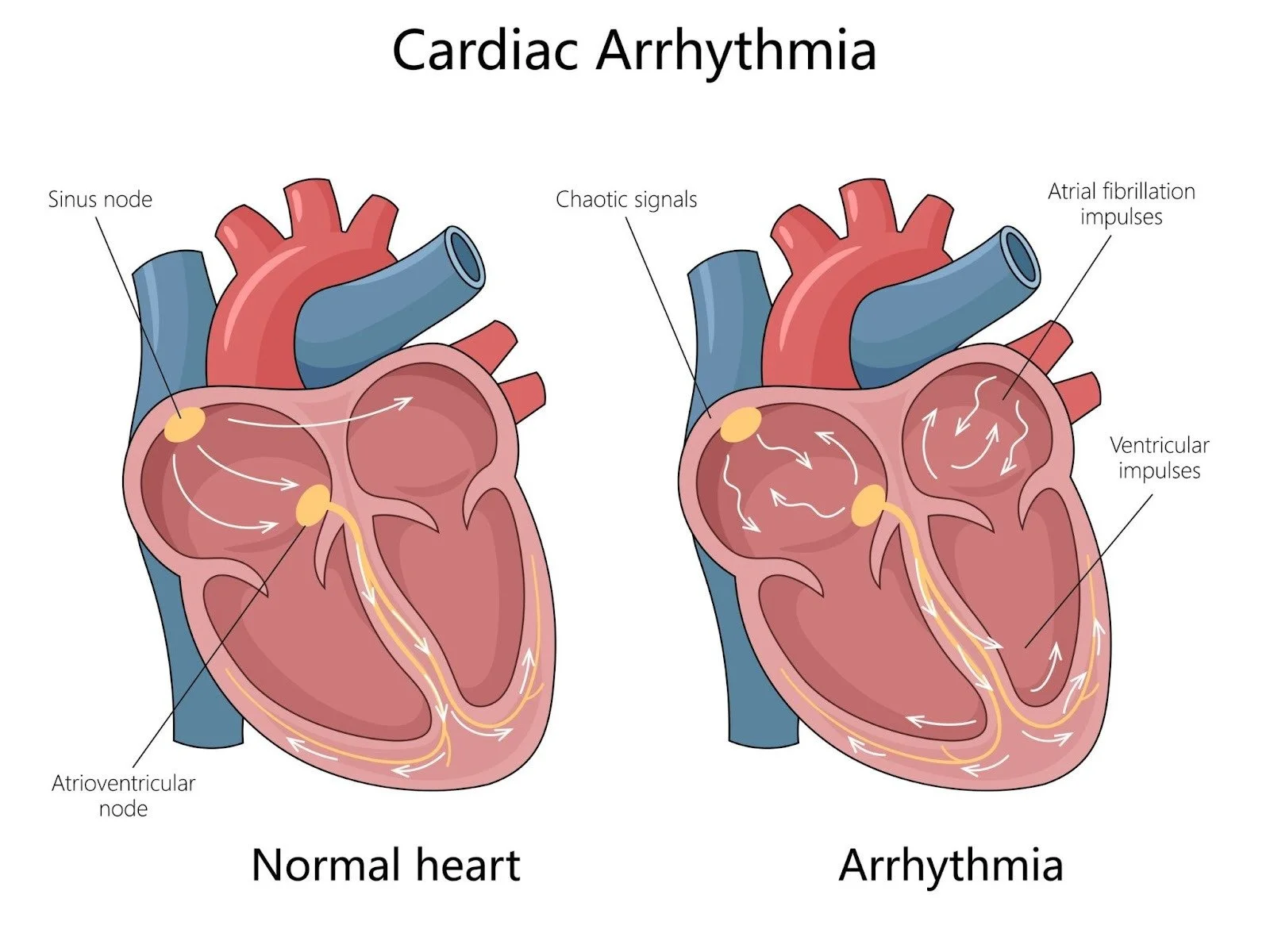
A diagram displays the effects of Arrhythmia on the heart, showing an irregular heart flow, a possible cause due to energy drink consumption. Courtesy of CardioVascular Group (affiliated with Northside Hospital Heart Institute)
According to a comprehensive report by the Cardiologists at the Cleveland Clinic surrounding the effects of energy drinks to the cardiovascular system, cardiovascular risks, including arrhythmias, tachycardia, and hypertension, have steadily increased, particularly among young adults.
Their studies found that 60.9% of participants found a significant increase in heart rate after consuming energy drinks, considering the combination of ingredients previously mentioned. The heart increases sometimes showed heart rate variability, meaning the heart would become less adaptable to stress over time. This is unfortunate, since the reason many consume energy drinks is to reduce stress.
Blood pressure spikes were also common in these studies, with 53.8% showing higher systolic pressure (pushing blood out of your heart) and 61.5% showing higher diastolic blood pressure (blood filling into your heart). Even small increases in pressure can create extra strain on your heart, posing plenty of cardiovascular challenges.
It is also important to note that many studies on the effects of energy drinks on our body systems have been done on adults, not teenagers. This puts adolescents at even more of a disadvantage, showing their vulnerability to energy drinks on their systems due to the lack of general knowledge that exists about their effects.
Nonetheless, it's clear that these symptoms and challenges greatly affect the young people who consume these beverages, and in turn, members of our community. Their consumption as a whole perpetuates and correlates with unhealthy study and sleeping habits, an issue in the long run for many students.
For the CGS Upper School community, survey responders shared their reasons for drinking energy drinks throughout the school day, “I need the energy to get through the day, especially on days when I have exams or projects due, I need the extra energy” or because they “taste good.”
Even with their tempting ways of creating an opportunity for deeper focus and productivity, the trade-offs of energy drinks ultimately create more of a negative effect on one's body and everyday habits. Students should stop spending their savings on canned chemicals and instead try establishing new habits or subbing in healthier alternatives.
Firstly, students can still get that caffeinated kick from iced tea, green or black, that is shelved next to or at least nearby the energy drink sections in any local grocery store. Close by are often iced coffees, usually in convenient containers if students can't make it at home or don’t have time to stop by a cafe (though, it's always important to also check the sugar content for these drinks).
Moving away from caffeinated options are other alternatives that can still give an energy boost. Things like chewing gum and drinking cold water while consuming a snack high in protein or complex carbs (such as granola bars, apples and nut butter, melons, yogurt) are able to stabilize blood sugar, and therefore stabilize energy. Similarly, not skipping any of the three meals in a day generally leads to less fatigue.
Finally, a good way to “ease” out of the habit of grabbing a can and drinking a bubbly drink could be replacing that drink with a flavored sparkling water (like Lacroix or Bubly). It's easy to carry around school or at a desk, keeps you hydrated (maybe also helps to increase general daily water intake), and still gives the fizzing sensation that students might crave.
While energy drink consumption may never cease to exist, creating an intentional effort to try healthier options can become a new habit. It's important to take a moment to stop and consider all of the ingredients within the can. Is the boost of energy worth the risk of heart challenges? Must you suffer through the objectively rancid Red Bull taste to stay awake while writing that English paper?
These alternatives might not give the exact results of an energy drink, but they will help you focus in a natural way, a way that our bodies positively respond to. We can take ownership over our own selves without letting companies and tempting promises on energy labels sway us to jeopardize the future of our health forever.