
REVIEW: Finding the best Google Doodle game
By Priya Klein ‘26
Courtesy of Ila Reynolds-Kienbaum ‘27.
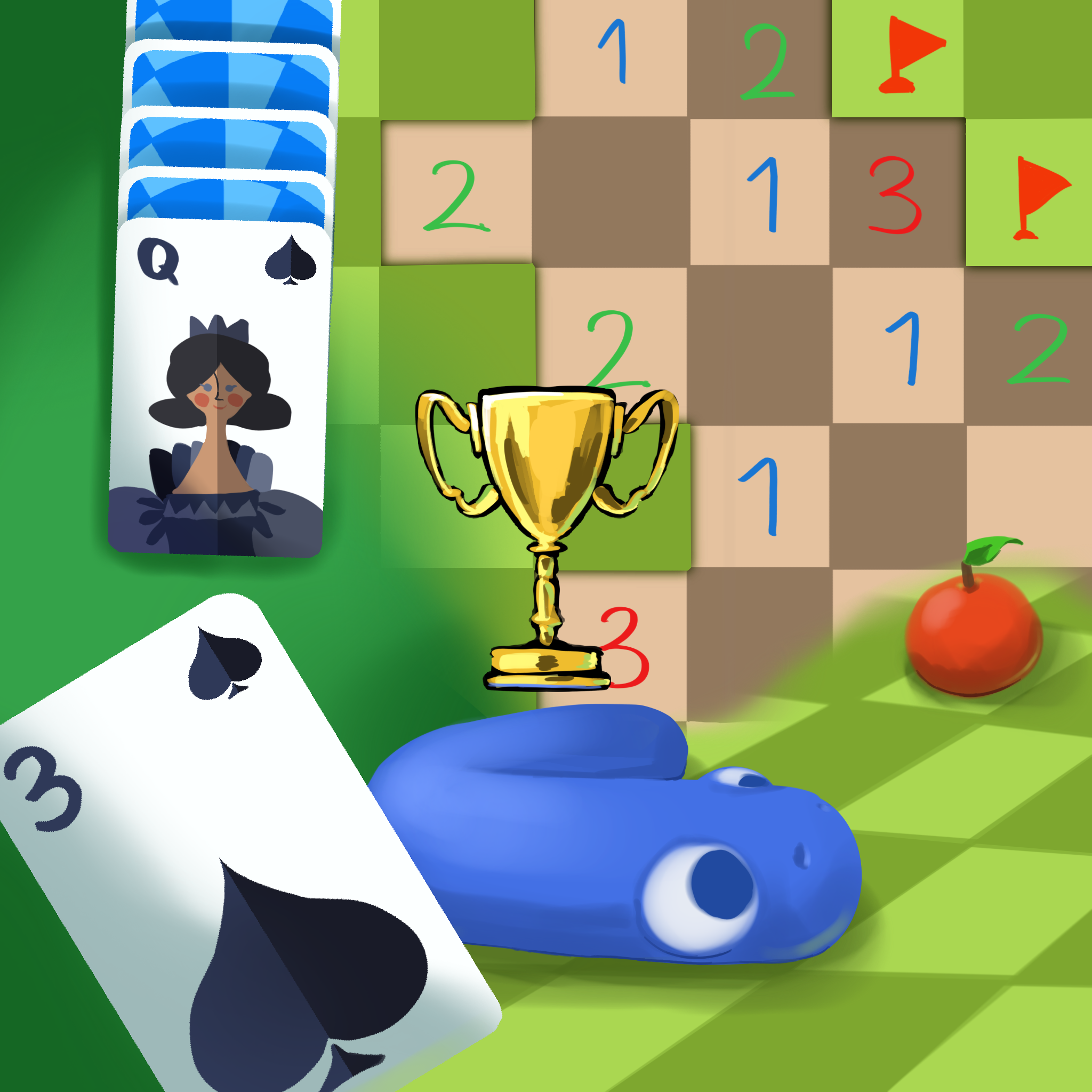
In the shadow of the New York Times (NYT) Games lurks a family of underrated and intricate online activities: the Google Doodle games. While the average student has probably stumbled across these minigames at some point, they rarely receive the praise and appreciation that they deserve for their creativity and game design.
With the Upper School recently banning video gaming, it seems that these online pastimes are slipping further and further into obscurity. At the risk of these games and their many merits being lost somewhere between the tabs of your history homework, I thought I would highlight the best of the best Google Doodle games.
As an avid player of many of these games and a second-semester senior with more time on my hands than I can handle, I feel confident in my ability to evaluate these games thoroughly. For each Google Doodle, I will ask these essential questions: Does it entertain me? Does it reach the perfect balance of difficulty and pleasure?
By reviewing the Doodles on the criteria of entertainment and difficulty on a scale of 1-5 stars (1 being seriously underwhelming and 5 being practically groundbreaking in the video game world), I hope to discover the best of what the Google games have to offer.
Honorable Mentions
There are lots of shorter Google Doodle games that I won’t have the time to thoroughly review in this ranking. I highly suggest that you check out some of the lesser-known Doodles.
Some of my favorites: Garden Gnomes, where the player launches ceramic gnomes across a field to see how far they can get; Pony Express, where the player dashes through the desert on horseback to collect and deliver mail; and Bubble Tea, where the player takes and fulfills orders at a bubble tea shop. Happy gaming!
10. Memory Game
Courtesy of Google.
Entertainment: ★☆☆☆☆
Difficulty: ★★☆☆☆
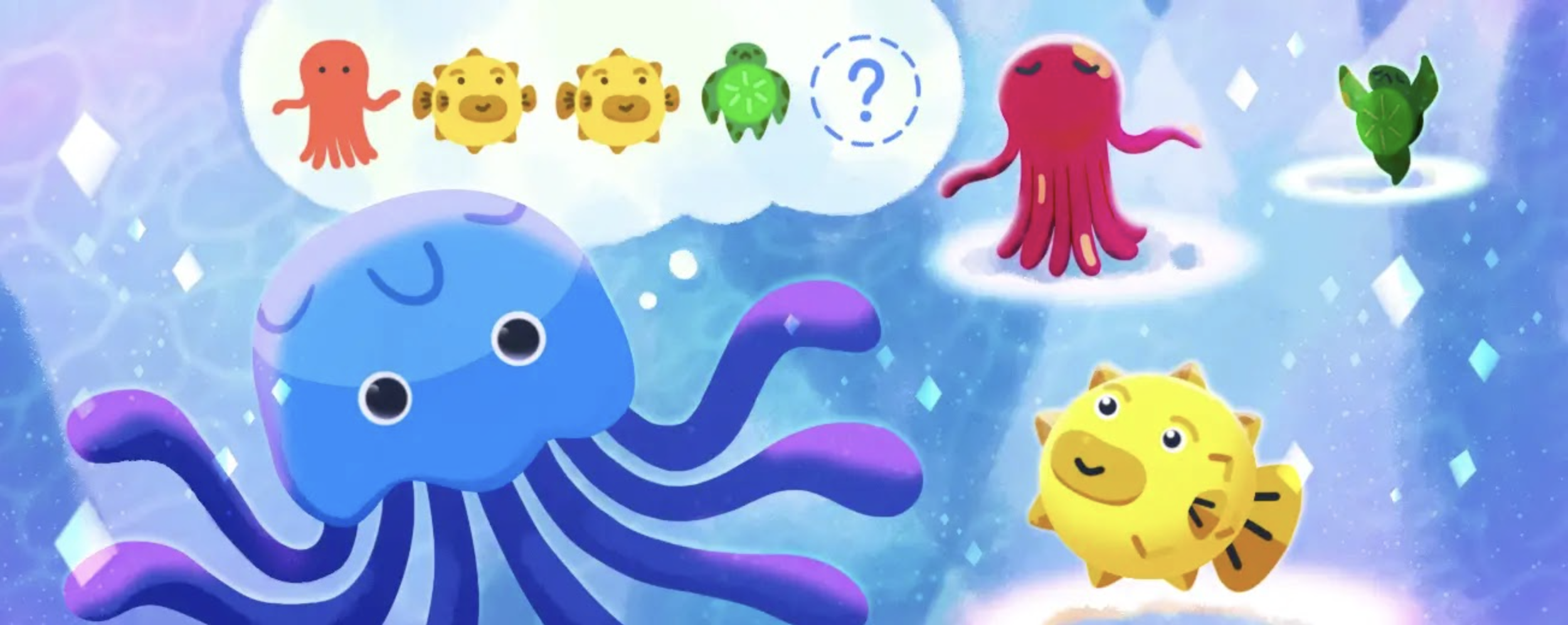
Memory Game functions as a cognitive test in which the player repeats back a pattern of moves, with the patterns getting increasingly longer and more complex as the player progresses through the levels. Akin to the structure of “Bop It,” Memory Game is a simple but effective way for the player to test their memory. Adorned with adorable animated sea creatures and dreamy melodies, Memory Game aims to keep the player calm and focused.
However, the primary goal of Memory Game is certainly not to entertain the player; it lacks any storyline or differentiation in structure, limiting engagement and replayability. While the game is easy to follow at the start, its increasing difficulty can pose a serious challenge to players in later stages, and also means that players can never actually win or finish the game. Despite what the cute, colorful graphics might lead you to believe, Memory Game is a pointless and bleak experience.
9. Color Tiles
Courtesy of Google.
Entertainment: ★★☆☆☆
Difficulty: ★★★★☆
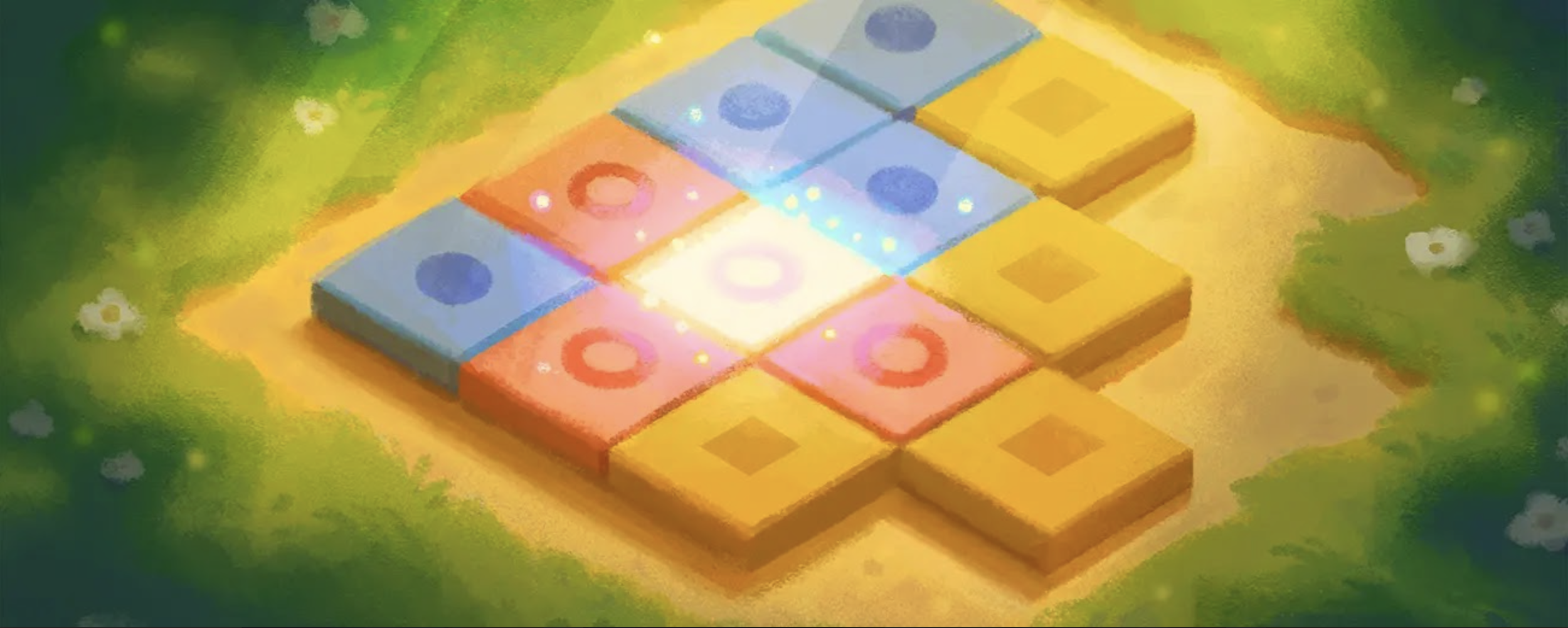
In Color Tiles, the player uses the arrow keys to move the tiles on the board in different directions with the goal of grouping four tiles with the same color together, clearing the matched group, and making space on the board for the player to match more groups. The goal is to clear the entire board in the fewest moves possible, as your number of available moves “rolls over” to the following levels. When the player runs out of moves, they lose.
With mechanics similar to those of games like 2048 and Block Blast, Color Tiles is easy to get a hang of while still feeling like a fresh and original entry into the puzzle genre. Deciding which direction to move in takes some serious consideration and mental calculations, making for an overall engaging and entertaining experience. Unfortunately, in my experience, this fun was short-lived as it was genuinely quite difficult to progress through the levels, given the small number of available moves, even when completing previous levels perfectly.
Overall, Color Tiles has all of the components of a successful, engaging minigame, but ultimately falls short because of its difficulty.
8. PAC-MAN
Courtesy of Google.
Entertainment: ★★★☆☆
Difficulty: ★★★☆☆
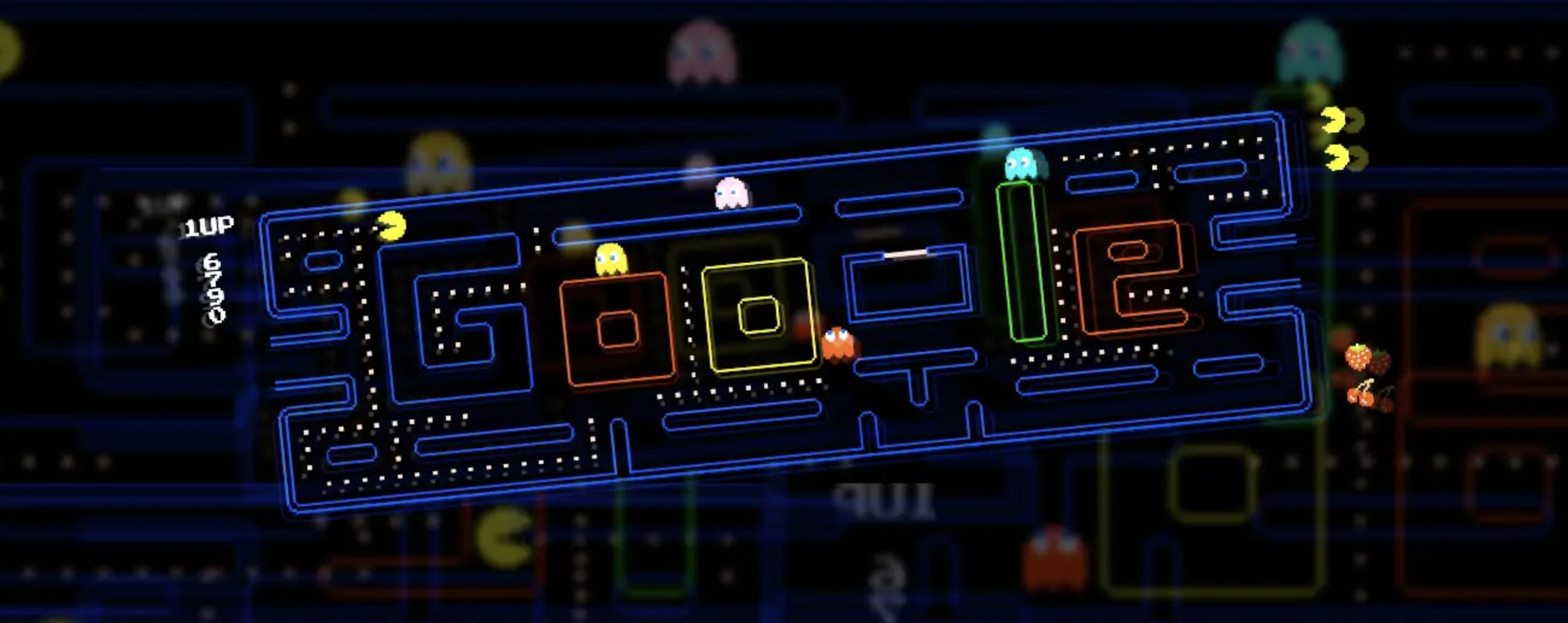
Released in 2010, the PAC-MAN Google Doodle honors the classic arcade game of the same name, operating the same but sporting a customized ‘Google’ maze. In the Doodle, the player controls a circular yellow character, Pac-Man, tasked with eating all the dots in a maze while simultaneously avoiding the four distinctly-colored ghosts that roam around the maze. The player can collect power-ups to help them ward off the ghosts and complete levels faster.
This version of PAC-MAN received resounding praise for its technical achievements, being the first Google Doodle to be interactive and to play sound. In the 48-hour period that it was available, Guinness World Records reported that users played the Google Doodle for over 500 million hours total and estimated that it cost businesses around $122 million in lost productivity. Following the positive feedback and online popularity of the game, Google made it permanently available for players.
Popularity aside, the Google Doodle version of PAC-MAN hardly stands out against its predecessor, and its positive reception can primarily be attributed to its accessibility. Beyond the custom maze backdrop, this Google Doodle is lacking in originality and creativity; there’s hardly anything in the game that makes it Google-specific.
That said, PAC-MAN is an undoubtedly timeless and reliably fun video game that all can enjoy, as the infamous aesthetic immerses players in 80s nostalgia, and the mechanics are easy to get the hang of. Progressing through the levels can be time-consuming and difficult, but it’s nothing that a little more practice can’t improve. Overall, this Google Doodle is a simple but classic reimagining of the original PAC-MAN game.
7. Block Breaker
Courtesy of Google.
Entertainment: ★★★☆☆
Difficulty: ★★☆☆☆
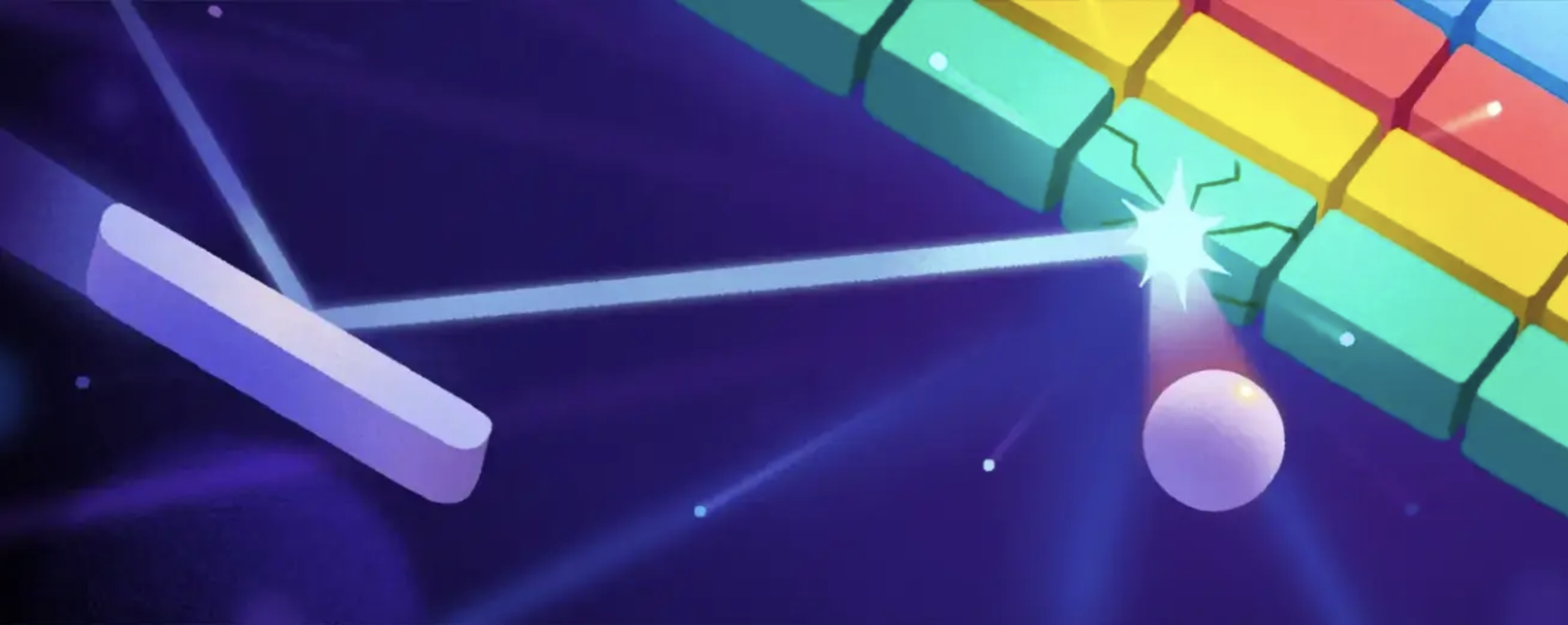
Taking heavy inspiration from the Atari video game Breakout, Block Breaker is a neon-colored minigame where the player smashes rows of colored blocks with a ping-pong ball and a paddle controlled by the left and right arrow keys. As the player breaks blocks and progresses through the levels, they attain temporary power-ups and extra ping-pong balls to break rows more quickly. If a ping-pong ball passes the player’s paddle, they lose one of three lives (with the game ending after the player loses all three lives).
Where Block Breaker really shines is its constant engagement of the player: forced to constantly be tracking their paddle and the ping-pong balls, the player must stay focused. The minigame’s constant draw of attention makes the game consistently entertaining and practically forces you to appreciate its chic pixelated design. Block Breaker is an appropriately tough challenge, as the difficulty is balanced out by the numerous power-ups and extra lives offered.
While Block Breaker checks many of the boxes of a great game, frankly, it’s never one that I would opt into playing. It’s too much of a mental commitment to play, and yet it lacks any real satisfaction for playing. Block Breaker has so much potential, but refuses to live up to virtually any of it.
6. Solitaire
Courtesy of Google.
Entertainment: ★★★☆☆
Difficulty: ★★☆☆☆
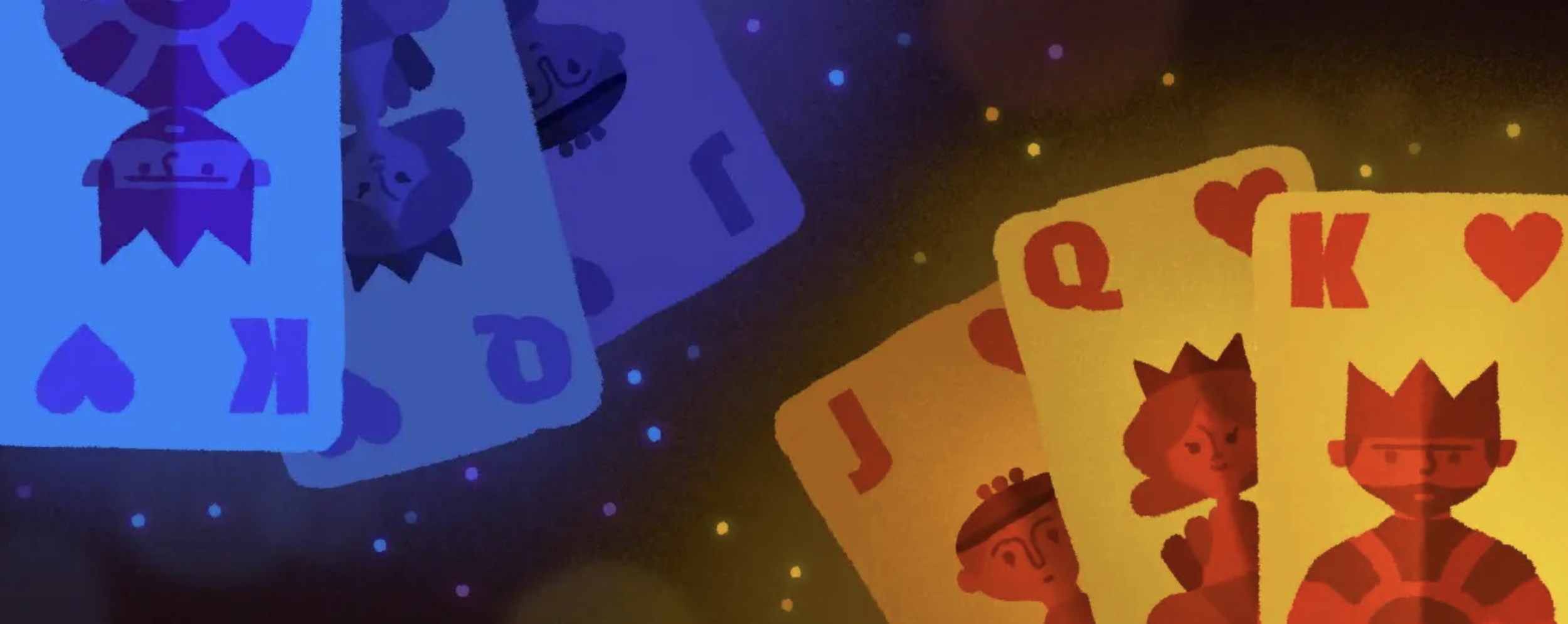
Google’s version of Solitaire follows the classic rules of the card game of the same name: the player meticulously sorts playing cards based on suit with the goal of eventually perfectly sorting all 52 cards in order into the four suits. The game accommodates various skill levels, offering the choice to play either easy or hard difficulty.
There’s a satisfying quality to properly sorting the cards that keeps the game enjoyable and offers the player a real sense of pride for finishing. While there is technically a timer, the player is able to take as long as they want, and the low-stakes nature of the game makes it much easier for beginners. However, learning the rules and tricks of Solitaire can be confusing and time-consuming.
I’m disappointed in the simple and lackluster visual design of the game; a more interesting color palette or icons would make for a more visually enjoyable experience. When you’re stuck, unsure if you’ve reached a dead end, and staring at the same 10 cards, the bright emerald green backdrop of the game can start to make you feel like you’re going insane.
Though Solitaire may generally be considered one of the more “boring” games on this list, I think that its slowness works to its benefit: offering the player a calming and–as the name so aptly suggests–solitaire escape from the stress of reality.
5. Tic-Tac-Go
Courtesy of Google.
Entertainment: ★★★☆☆
Difficulty: ★★★★☆
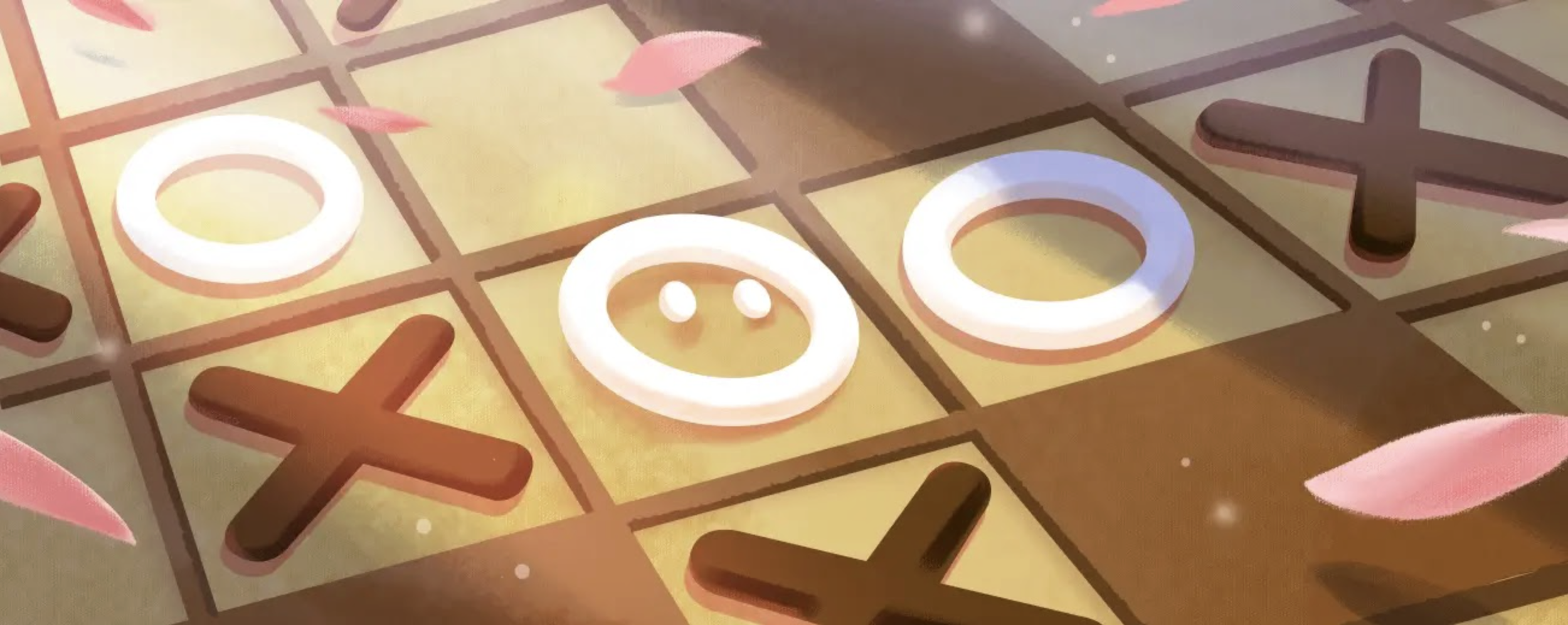
Tic-Tac-Go is a sophisticated adaptation of the classic playground game, Tic-Tac-Toe. The player uses the arrow keys to move an ‘O’ around a board to eventually line up with the two other ‘O’s scattered around the board. Difficulty comes in the form of avoiding dead ends and lining up three ‘X’s accidentally.
At first play, Tic-Tac-Go can feel rather boring and unnecessarily complicated, but I’ve found that if you lean into the puzzle aspect of the game and take your time, solving the game can be quite fun and rewarding. The puzzle changes day-to-day, and some puzzles are excessively tedious and difficult, meaning that they lack replayability. That said, I think that Tic-Tac-Go has the potential to be a truly great daily game on par with that of the Wordle and the other NYT games.
4. Minesweeper
Courtesy of Google.
Entertainment: ★★★★☆
Difficulty: ★★☆☆☆
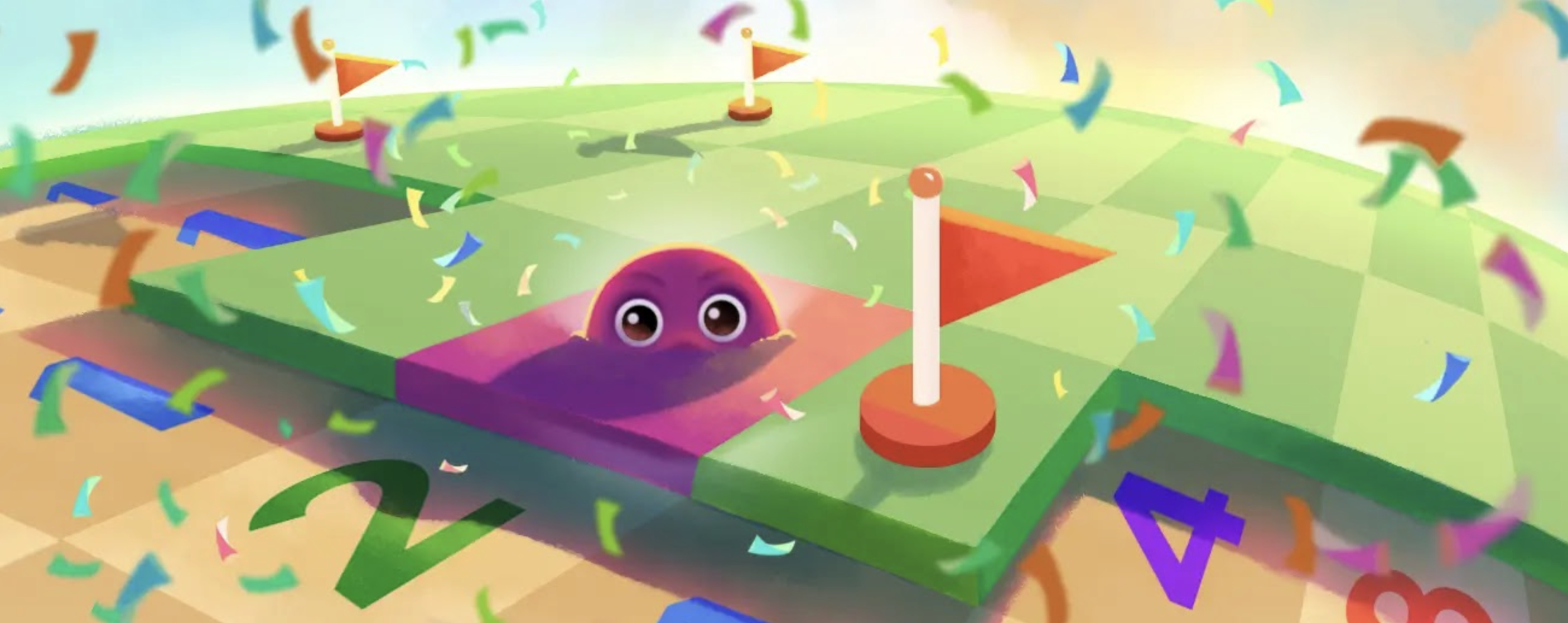
Replicating the magic of the 90s computer game of the same name, Google’s Minesweeper is a simple and widely accessible logic puzzle. In the game, the player gradually reveals tiles on a board using the numbers indicated on the surrounding “mines” on the tiles, avoiding hidden mines to clear the board. If the player clicks on a mine, they lose.
As one of my primary methods of procrastinating in my sophomore year, Minesweeper will always hold a special place in my heart. The satisfaction of revealing the tiles and gradually unveiling the board is a feeling unlike any other and is what makes the game so entertaining. The player can choose their difficulty (easy, medium, or hard), but the game is quite easy once you build an understanding of its rules.
While this Google Doodle is lacking in creativity–hardly straying from its source game–I don’t find that detrimental for Minesweeper, as it’s meant to be a simple game. Thus, I think that Google’s Minesweeper is a great addition to the Google games repertoire.
3. Halloween
Courtesy of Google.
Entertainment: ★★★★☆
Difficulty: ★★★★☆
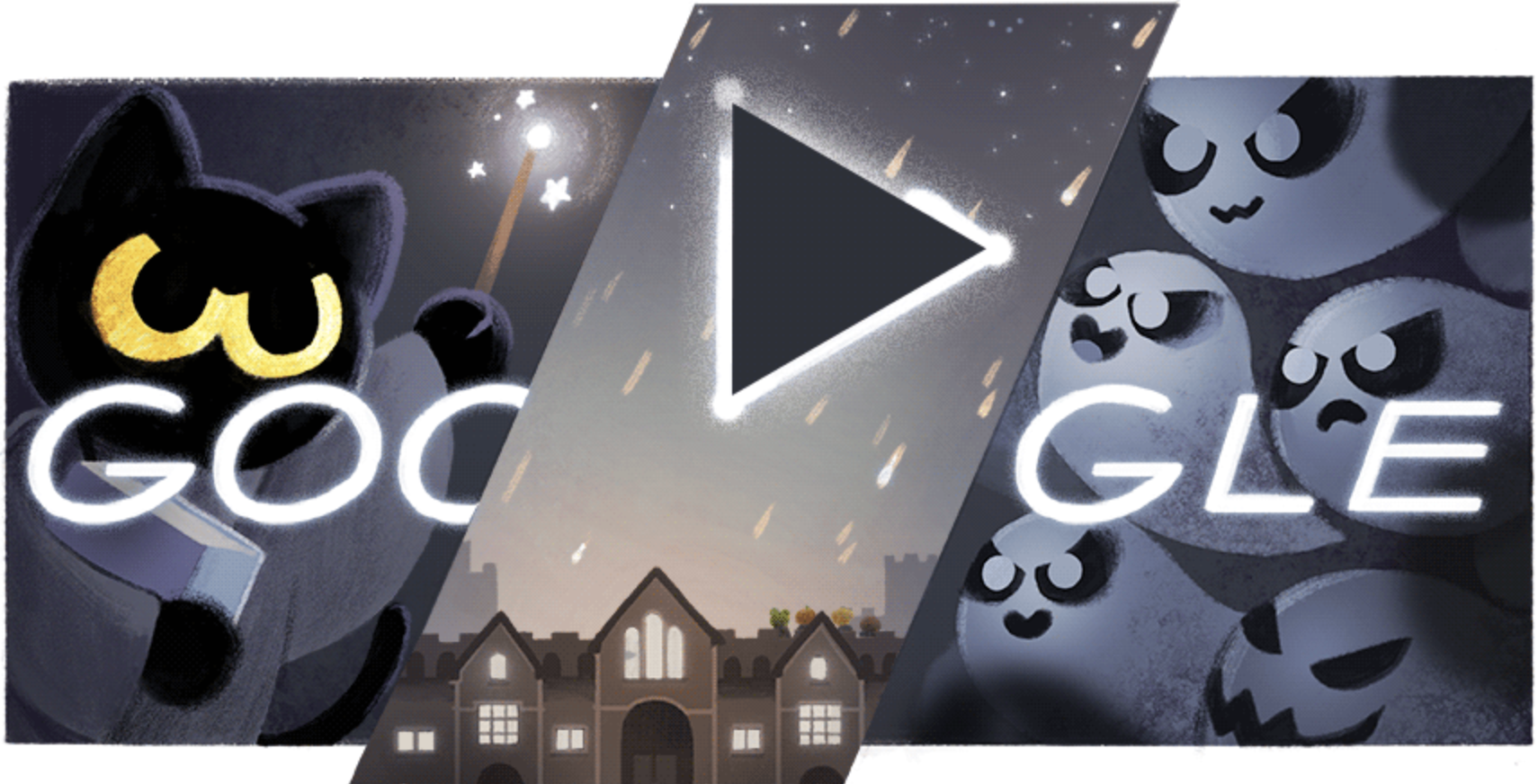
Released on Halloween in 2016, the Halloween Google Doodle quickly gained a cult following online and inspired a series of cat-themed Google Doodles titled Magic Cat Academy for the Halloweens to come. The series follows Momo, a black cat studying wizardry, who casts spells using her magic wand to fend off ghosts. The player uses their computer mouse to draw figures matching the indicated symbols, vanquishing the hostile ghosts.
Halloween is an especially beloved and compelling minigame because of the amount of care and thought that developers invested into its lore. Each level is sandwiched between elegantly animated cutscenes, immersing the players in the story and creating a truly exciting gaming experience.
The rigorous mechanics of the game ensure that the player is always engaged. Drawing the correct symbols in time is genuinely difficult and makes for a high-stakes challenge. Even if you’re not all that interested in the gameplay, the symbol-recognizing technology is cool to mess around with.
With an adorable wizard cat and ghost hunting at its center, it’s hard not to love Halloween. Its charming story and creative gameplay mechanics make Halloween and the Magic Cat Academy games a great way to get into the spooky spirit or simply buff up your wizardry skills.
2. Snake

Courtesy of Google.
Entertainment: ★★★★☆
Difficulty: ★★★☆☆
In Google’s Snake, the player uses the arrow keys to control a snake with the goal of eating apples scattered around the board, growing longer each time it eats an apple. The player must avoid running into the board’s walls or its own tail until it eventually becomes the length of the entire board. Google’s version of Snake offers dozens of ways to customize the game, like alternative icons, power-ups, snake speeds, board sizes, and more.
Snake is probably the most well-known Google game and for good reason: its fast pace and simplicity make for an extremely addictive minigame. If you’ve ever watched a classmate dance between solely the arrow keys during “worktime,” they were almost certainly playing Snake.
Snake is also a very versatile game, offering customization settings that allow the player to explore the modes of gameplay that they enjoy. For example, players can customize the fruits or vegetables they chase after and how many of them there are at once, what color to make their snake, and even the weather. Likewise, the player can essentially create their own level of difficulty, meaning that even the most inexperienced and technologically inept of players can enjoy it.
Snake is in many ways the perfect arcade game: it’s fast-paced, customizable, and addictive. If there was one serious con of the Upper School gaming ban, this would be it.
1. Champion Island Adventure
Courtesy of Google.
Entertainment: ★★★★★
Difficulty: ★★★☆☆
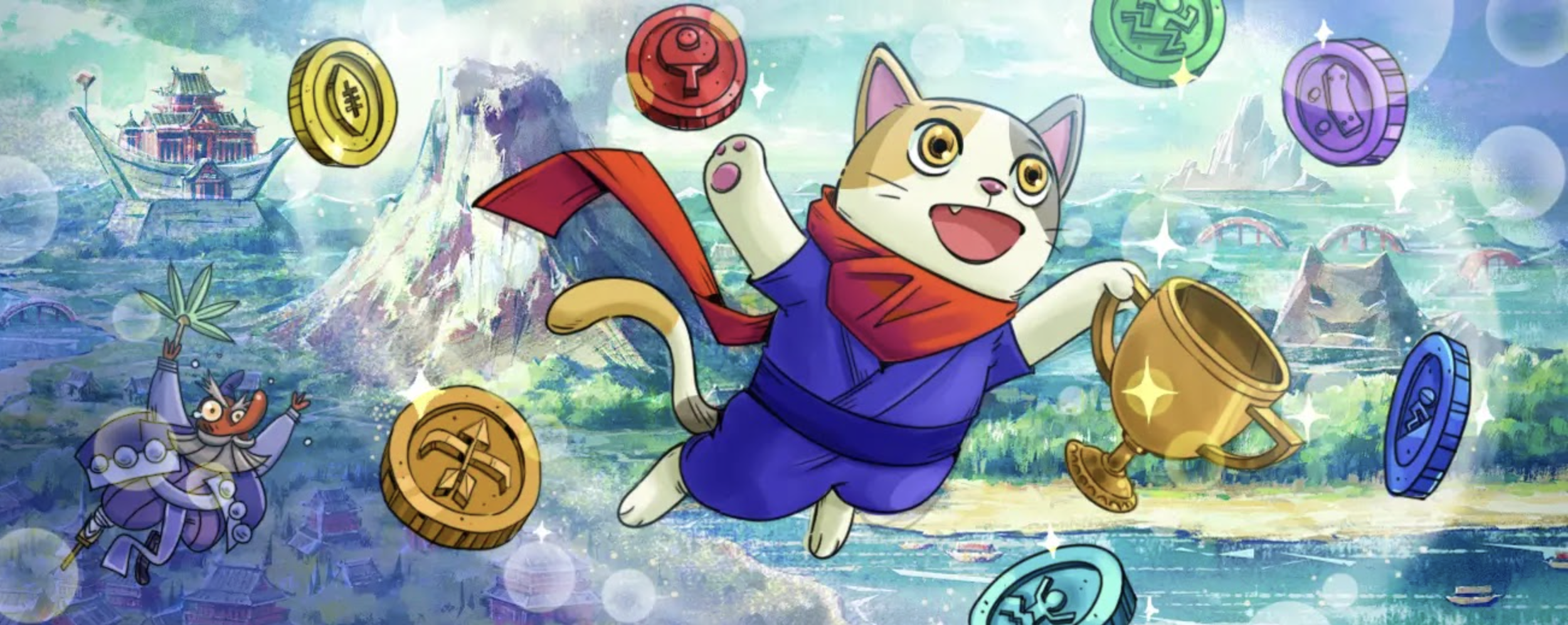
Released in 2021 as a celebration of the 2020 Summer Olympics, Champion Island Adventure is an expansive browser game that weaves together Japanese folklore and culture with minigames based on Olympic sports. The player controls Lucky, a calico cat, as he explores Champion Island, completing side quests and mastering the different athletic disciplines.
Champion Island Adventure is by far the biggest and most detailed Google Doodle game to date, taking multiple hours to complete in its entirety. The player is able to essentially create their own adventure and explore the island as they please, making for an entirely immersive experience.
The difficulty of the different minigames and quests varies, but completion is always within the realm of possibility. The design of the game, both artistically and gameplay-wise, is exceptional and relatively unheard of for publicly available games.
Some highlights of this game for me are competing in fast-paced ping-pong battles, the beautiful visuals of the artistic swimming minigame (that almost makes its difficult gameplay worth it), and the enormous amount of quests and easter eggs that the player can complete (like helping a local on the island find a new career as a baker)!
Champion Island Adventure is the perfect Google game, putting pretty much everything on this list to shame. The level of care and detail invested into mechanics and worldbuilding, from the dialogue between non-player characters (NPCs) to the character designs, is truly something to be proud of. If there was any game that I recommend you play, it would without a doubt be Champion Island Adventure.
Design flaws and occasional lack of originality aside, these games have so much character and interesting gameplay to offer; it’s a shame that students won’t get the opportunity to explore them at school. Now more than ever, it’s important that students play them for themselves and show them the respect they deserve.